

Starting a startup is an exciting journey, but one of the biggest challenges founders face is securing investment.
Even the best ideas need financial support to scale, hire talent, and reach the market effectively.
Finding the right investors is crucial, not just for funding but also for gaining strategic guidance, mentorship, and industry connections.
In this guide, we’ll cover how to find investors for your startup, different types of investors, tips for pitching, and strategies to maximize your chances of securing funding.
Why Finding the Right Investor Matters
Not all investors are equal. The right investor:
- Brings strategic guidance to grow your startup.
- Provides industry connections and networking opportunities.
- Offers additional credibility that can attract other investors or partners.
- Supports long-term growth, not just short-term funding.
Conversely, the wrong investor can cause misalignment in vision, create conflicts over control, or limit your startup’s potential.
Step 1: Prepare Your Startup for Investment
Before approaching investors, ensure your startup is investment-ready. Investors are looking for startups that have:
- A Clear Business Plan: Outline your mission, target market, revenue model, and growth strategy.
- Strong Value Proposition: Show why your product or service is unique and solves a real problem.
- Financial Forecasts: Provide realistic projections for revenue, expenses, and profitability.
- Scalable Model: Demonstrate that your business can grow rapidly with additional capital.
- Team Credibility: Highlight your team’s skills, experience, and track record.
Step 2: Identify the Right Type of Investor
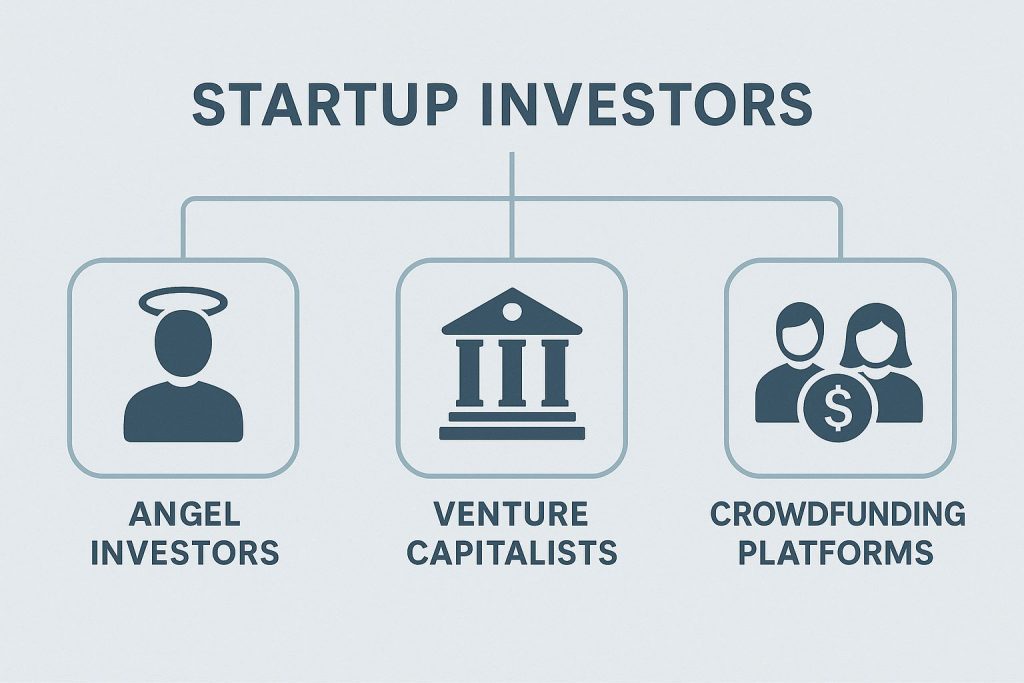
Different types of investors cater to different stages of a startup. Understanding this is critical.
2.1 Angel Investors
- Who they are: High-net-worth individuals investing their personal capital.
- Investment stage: Early-stage or seed funding.
- What they offer: Mentorship, networking, and initial capital.
- How to find them: Angel networks, LinkedIn, startup events, and personal connections.
2.2 Venture Capitalists (VCs)
- Who they are: Professional investment firms managing pooled funds.
- Investment stage: Series A and beyond.
- What they offer: Significant funding, strategic guidance, and credibility.
- How to find them: Research VC firms aligned with your sector, attend pitch events, or leverage introductions.
2.3 Crowdfunding Platforms
- Who they are: Platforms like Kickstarter, Indiegogo, or equity crowdfunding sites.
- Investment stage: Any stage depending on platform rules.
- What they offer: Access to a broad audience and potential early adopters.
- How to use: Craft compelling campaigns, offer attractive rewards, and market extensively.
2.4 Family and Friends
- Who they are: People in your personal network.
- Investment stage: Very early-stage.
- Considerations: Ensure clear agreements to avoid personal conflicts.
Step 3: Build a Strong Network
Networking is the lifeblood of securing investors. Here’s how to build meaningful connections:
- Attend Startup Events & Conferences: Industry-specific conferences, pitch competitions, and networking events are goldmines for potential investors.
- Join Incubators & Accelerators: Programs like Y Combinator, Techstars, or Indian accelerators like Startup India can provide funding connections.
- Leverage LinkedIn & Social Media: Engage with investors, share insights, and showcase your startup’s progress.
- Connect Through Advisors & Mentors: Experienced mentors can introduce you to relevant investors.
Step 4: Craft a Compelling Pitch
Your pitch can make or break your funding chances. A strong pitch should include:
- Problem Statement: What issue are you solving?
- Solution: How does your product/service address the problem?
- Market Opportunity: Define your target market and growth potential.
- Business Model: Explain how you make money.
- Traction: Highlight user growth, revenue, partnerships, or early adoption.
- Funding Requirements: Clearly state how much funding you need and its intended use.
- Vision & Exit Strategy: Show long-term potential and ROI for investors.
Step 5: Approach Investors Strategically
Randomly contacting investors rarely works. Be strategic:
- Research Potential Investors: Understand their portfolio, investment stage, and interests.
- Personalize Your Approach: Reference shared interests, portfolio alignment, or mutual connections.
- Start Warm: Warm introductions (through mutual contacts) are more effective than cold emails.
- Follow Up Respectfully: Persistent but polite follow-ups can increase your chances.
Step 6: Use Online Platforms & Resources
Several online tools and platforms make finding investors easier:
- AngelList: Connects startups with angel investors globally.
- LinkedIn: Search investors by industry, location, and interests.
- Crunchbase: Research investor activity and funding trends.
- Gust: Platform to create startup profiles and attract investors.
- Equity Crowdfunding Sites: Platforms like SeedInvest or OurCrowd for equity fundraising.
Step 7: Perfect Your Due Diligence
Investors will conduct due diligence before committing capital. Be prepared with:
- Financial statements and tax documents.
- Legal documents like incorporation papers and intellectual property rights.
- Detailed business plan and market research.
- Customer testimonials and product demos.
Step 8: Negotiate Terms Wisely
Once investors show interest, negotiate terms carefully:
- Valuation: Ensure a fair pre-money and post-money valuation.
- Equity Stake: Avoid giving away too much control early on.
- Board Seats & Voting Rights: Clarify roles and decision-making power.
- Milestones & Funding Tranches: Tie investment disbursement to achievable milestones.
Consider consulting a legal expert experienced in startup funding.
Step 9: Leverage Your Investors
Good investors do more than provide money. They can help with:
- Strategic partnerships
- Hiring key talent
- Product development insights
- Marketing and branding guidance
Building a strong relationship with investors can accelerate growth and future funding rounds.
Step 10: Keep Learning & Adapting
The startup ecosystem is dynamic. Stay informed about:
- Funding trends in your industry
- New angel networks, VC firms, or accelerator programs
- Regulatory changes in startup funding
- Feedback from investors to improve your pitch and strategy
Continuous learning enhances authority and expertise, which aligns with Google EEAT guidelines.
Common Mistakes to Avoid When Finding Investors
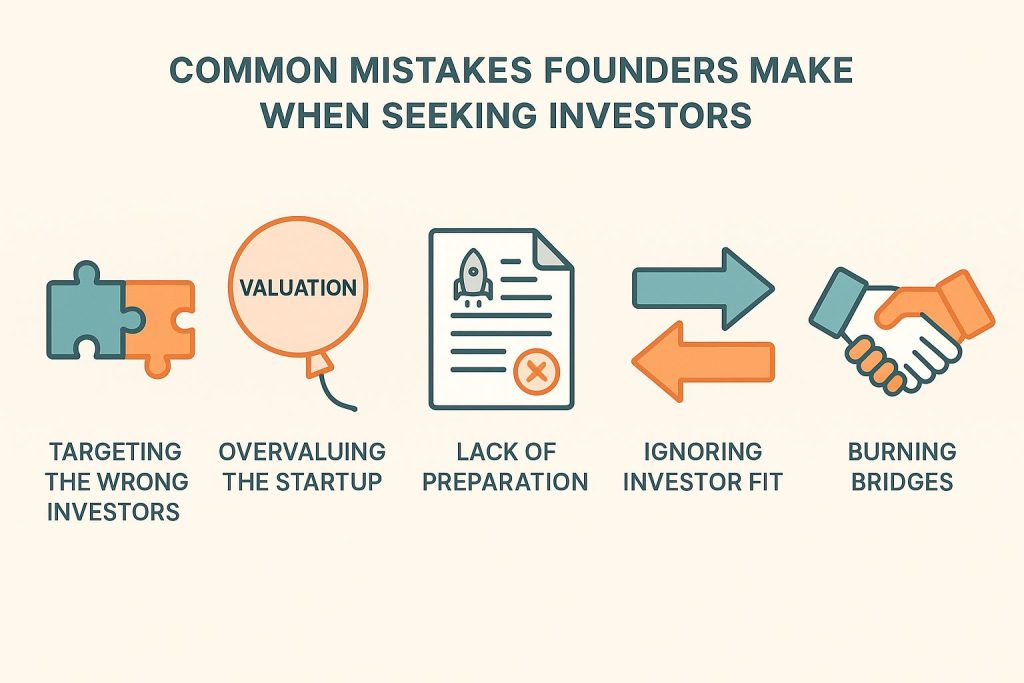
- Targeting the Wrong Investors: Avoid pitching investors outside your industry or stage.
- Overvaluing Your Startup: Inflated valuations can scare investors.
- Lack of Preparation: Poorly researched pitches or incomplete documentation reduce credibility.
- Ignoring Investor Fit: Align values, vision, and strategy with potential investors.
- Burning Bridges: Maintain professionalism even if a pitch fails.
Conclusion
Finding investors for your startup is both an art and a science. It requires preparation, research, networking, and persistence.
By understanding the types of investors, crafting a compelling pitch, and approaching them strategically, you increase your chances of securing not just capital but also mentorship and growth opportunities.
Remember, the right investor partnership can transform your startup journey and create lasting value. Stay informed, stay authentic, and keep building meaningful relationships.