
EV Logistics Startups in India: Market Overview, Business Models, and Growth Opportunities
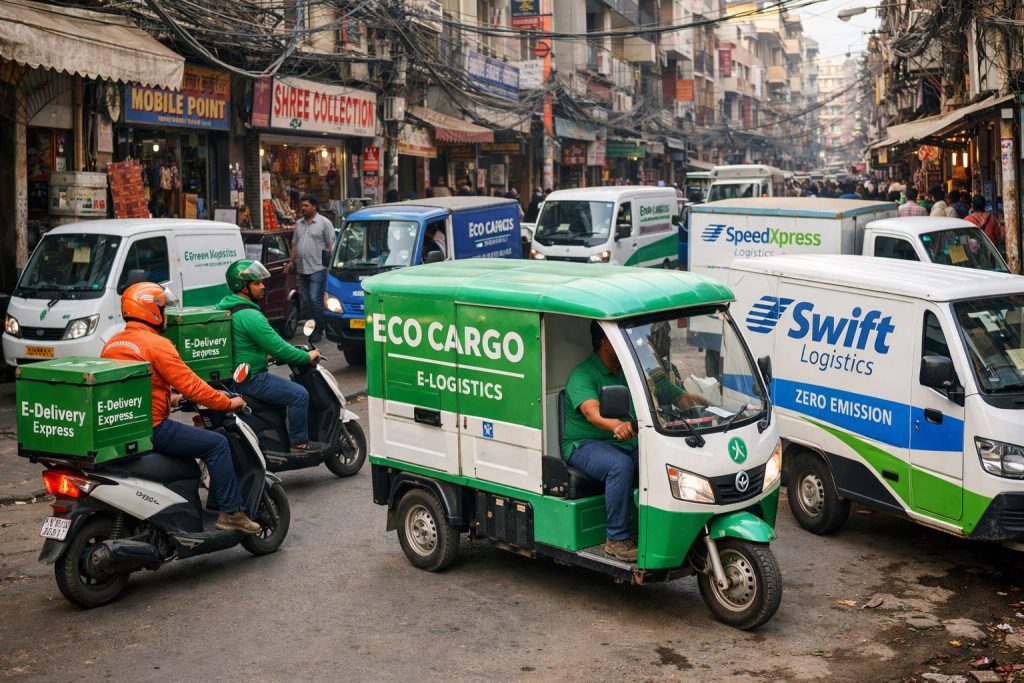
India’s EV logistics startups are reshaping how goods move across cities by replacing fuel-powered delivery vehicles with electric alternatives. These startups lower delivery costs, cut emissions, and solve last-mile inefficiencies—making them critical to India’s e-commerce, grocery, and B2B supply chains. This guide explains how EV logistics works, why adoption is accelerating, and what lies ahead.
Introduction: What Are EV Logistics Startups?
EV logistics startups are companies that use electric vehicles (EVs) for transporting goods—primarily in last-mile, hyperlocal, and intra-city logistics. In India, they rely on electric two-wheelers, three-wheelers, and light commercial EVs to reduce fuel expenses, meet sustainability goals, and improve delivery efficiency.
This guide is based on real operational models, policy frameworks, and on-ground adoption trends across Indian cities.
What Is EV Logistics?
EV logistics refers to the transportation of goods using electric vehicles instead of petrol or diesel vehicles.
It typically includes:
- Last-mile delivery (e-commerce, food, groceries)
- Hyperlocal and same-day delivery
- Intra-city B2B logistics
- Warehouse-to-hub movement
EV Logistics Market in India: Current Landscape
India is well-suited for EV logistics because of:
- Short delivery distances
- Dense urban neighborhoods
- Rising fuel costs
- Government EV incentives
Key demand drivers:
- Growth of e-commerce and quick commerce
- Urban pollution regulations
- Corporate ESG and carbon-reduction mandates
- Pressure to reduce per-delivery costs
How EV Logistics Startups Work in the Real World
Fleet Ownership Models
EV logistics startups typically operate using one of three models:
1. Asset-Owned Fleet
- Startup owns EVs
- Higher upfront cost
- Strong operational control
2. Asset-Light or Leasing Model
- Vehicles leased from OEMs or financiers
- Faster expansion
- Lower balance-sheet risk
3. Driver-Owned / Aggregator Model
- Drivers own EVs
- Startup manages routing, jobs, and payments
- Common in hyperlocal delivery
Charging and Energy Management
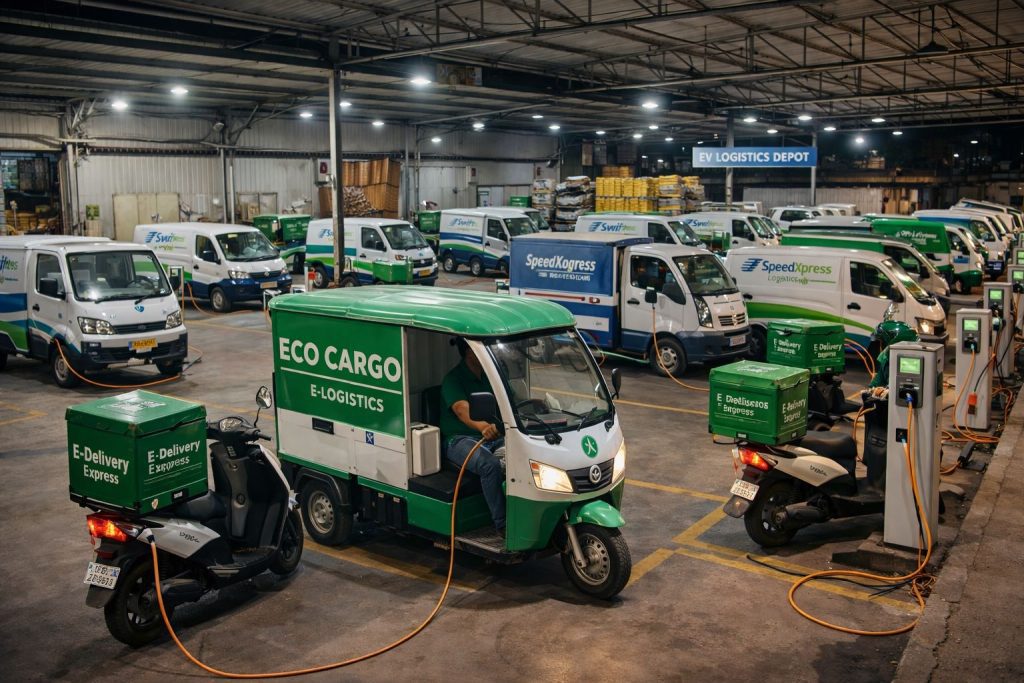
Charging strategies usually include:
- Depot-based overnight charging
- Battery swapping for high-utilization routes
- Limited use of public fast-charging
Operational insight:
Most EV logistics routes are designed so vehicles return to base daily, reducing charging uncertainty.
Technology and Fleet Optimization
Core systems include:
- Route optimization software
- Battery health monitoring
- Vehicle telematics
- Driver performance analytics
Technology ensures range predictability and reduces downtime.
Key Use Cases for EV Logistics in India
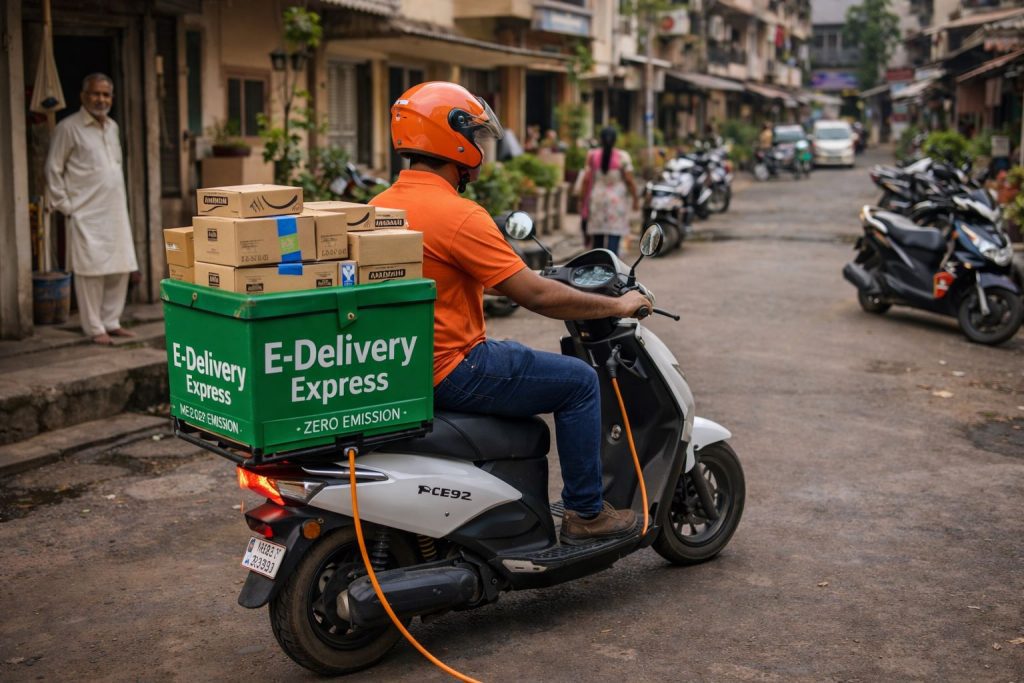
Last-Mile E-commerce
- Small parcels
- High stop density
- Predictable routes
Hyperlocal & Grocery Delivery
- Short trips
- High daily utilization
- Ideal for electric two-wheelers
B2B Intra-City Logistics
- Retail stock movement
- FMCG and pharmacy deliveries
- Scheduled operations
Cold-Chain Logistics (Emerging)
- Limited adoption
- Requires specialized EVs
Why EV Logistics Startups Are Growing Rapidly
Faster Delivery Expectations Are Redefining Logistics
Modern consumers now expect same-day or even 10-minute deliveries, especially in urban areas. This pressure has forced logistics providers to rethink fleet design, routing efficiency, and cost structures.
A clear example of this operational shift can be seen in Swiggy’s 10-minute delivery supply chain, where optimized routing, dark stores, and proximity-based fulfillment play a critical role. EV logistics startups complement these models by enabling low-cost, short-distance deliveries with minimal downtime and zero tailpipe emissions.
Electric two-wheelers and three-wheelers are particularly effective in meeting these rapid delivery SLAs without escalating fuel expenses.
Lower Cost Per Kilometer
EV fleets offer:
- Lower energy costs
- Minimal maintenance
- Fewer mechanical failures
Over a multi-year period, EV logistics can reduce operating costs by 30–50% compared to ICE fleets.
Policy and Regulatory Support in India
Growth is supported by:
- Central EV subsidy programs
- State-level EV policies
- Road tax and registration exemptions
- Municipal support for clean mobility
Corporate Demand for Green Logistics
Large enterprises increasingly require:
- Carbon reporting
- Sustainable delivery partners
- Compliance with ESG frameworks
EV logistics startups meet these needs without sacrificing efficiency.
Examples of EV Logistics Players in India
- Magenta Mobility – B2B and mid-mile EV logistics
- Euler Motors – Electric cargo vehicles for logistics
- Altigreen – Cargo-focused electric three-wheelers
The success factor is not brand name, but route design, utilization, and cost control.
Challenges Facing EV Logistics Startups
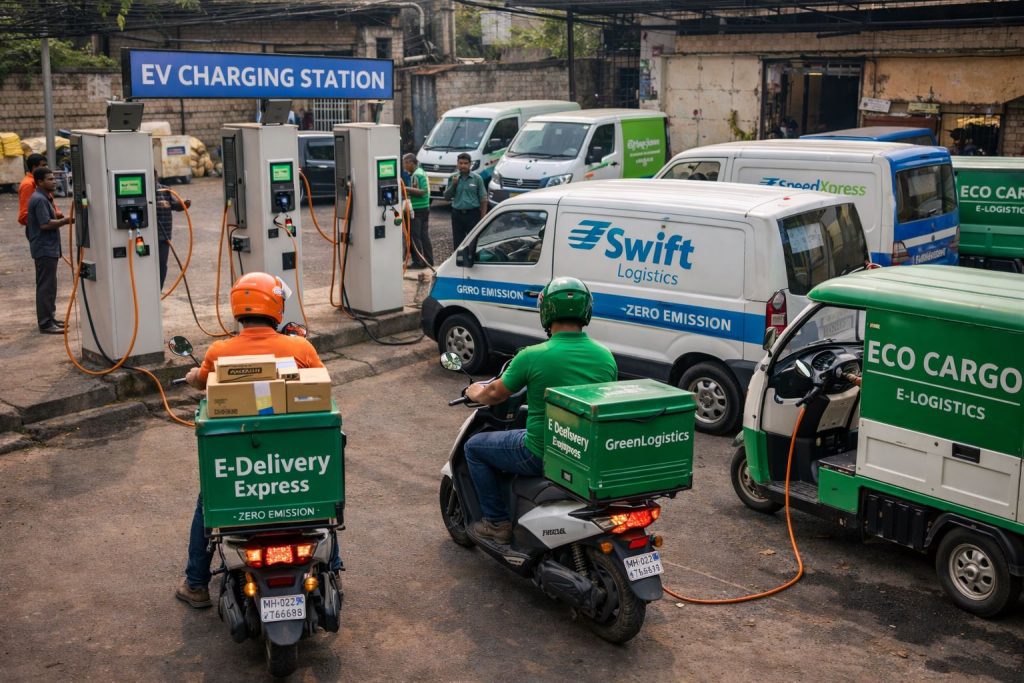
Key challenges include:
- Inconsistent public charging infrastructure
- Higher upfront vehicle costs
- Driver training and EV handling
- Battery degradation over time
How EV Logistics Startups Address These Challenges
Common solutions:
- Long-term vehicle leasing
- Battery-as-a-service models
- Private charging depots
- Predictive maintenance systems
- Performance-based driver incentives
These approaches are already being used successfully in Indian cities.
Unit Economics: When Do EV Logistics Fleets Break Even?
Most EV logistics operations in India break even within 18 to 30 months, depending on:
- Daily kilometers driven
- Electricity tariffs
- Vehicle utilization
- Maintenance discipline
Urban, high-density routes reach profitability the fastest.
EV Logistics vs Traditional Logistics
| Factor | Traditional Logistics | EV Logistics |
|---|---|---|
| Fuel Cost Volatility | High | Low |
| Emissions | High | Near zero |
| Noise | High | Low |
| Maintenance | Complex | Simple |
| Regulatory Risk | Increasing | Low |
Future Trends in EV Logistics (2025–2030)
Battery Swapping at Scale
- Faster turnaround
- Higher vehicle utilization
Purpose-Built Cargo EVs
- Designed for Indian roads
- Better payload efficiency
AI-Driven Fleet Management
- Smarter routing
- Predictive energy usage
Expansion into Tier-2 and Tier-3 Cities
- Lower competition
- Faster EV adoption
Frequently Asked Questions (AEO-Optimized)
What are EV logistics startups?
EV logistics startups use electric vehicles to transport goods in urban and intra-city supply chains. They reduce delivery costs, emissions, and maintenance while supporting sustainable logistics in India.
Are EV logistics startups profitable in India?
Yes. With proper route planning and utilization, many EV logistics startups achieve profitability within two to three years due to lower operating costs and policy incentives.
Which vehicles are used in EV logistics?
Electric two-wheelers, electric three-wheelers, and light electric commercial vehicles are most commonly used for last-mile and intra-city delivery.
What industries use EV logistics the most?
E-commerce, grocery delivery, FMCG distribution, food delivery, and pharmaceuticals are the largest users of EV logistics in India.
What is the biggest challenge in EV logistics?
Charging infrastructure and upfront vehicle costs remain the main challenges, though both are improving rapidly.
Key Takeaways
- EV logistics startups are economically viable, not experimental
- India’s delivery ecosystem strongly favors electric fleets
- Operational discipline matters more than fleet size
- Adoption is driven by cost efficiency first, sustainability second
What to Do Next
For businesses
- Pilot EV delivery on dense urban routes
- Measure cost per delivery, not just per kilometer
- Choose partners with proven operational experience
For founders
- Focus on utilization before expansion
- Build charging strategy early
- Design operations for Indian traffic and payload realities
Final Thoughts
EV logistics startups are becoming the backbone of urban delivery in India. As infrastructure improves and costs continue to fall, electric logistics will shift from advantage to expectation. Understanding how these startups operate—and why they succeed—is essential for anyone involved in logistics, mobility, or supply chain decision-making.
This guide is designed to remain useful as the EV logistics ecosystem evolves.