

In the construction and interior contracting industry, reliability is not built through intent but through repeated action. Fenil Kamleshbhai Kothari has shaped his professional journey around this principle, developing an execution-focused interior and civil contracting firm that prioritises accountability, quality, and long-term trust. Since establishing his enterprise in 2015, Fenil has remained committed to delivering projects that stand strong not only at handover, but long after completion.
Fenil’s grounding in construction began with hands-on site exposure at an early stage of his career. Working closely with labour teams, supervisors, and vendors gave him a realistic understanding of materials, workmanship, timelines, and the complexities of execution. These experiences helped him understand that success in construction depends less on theory and more on disciplined coordination on the ground. At the age of 27, driven by growing responsibilities and a desire to create stability, Fenil chose the entrepreneurial path. What started as a practical decision soon evolved into a purposeful journey shaped by learning, patience, and resilience.

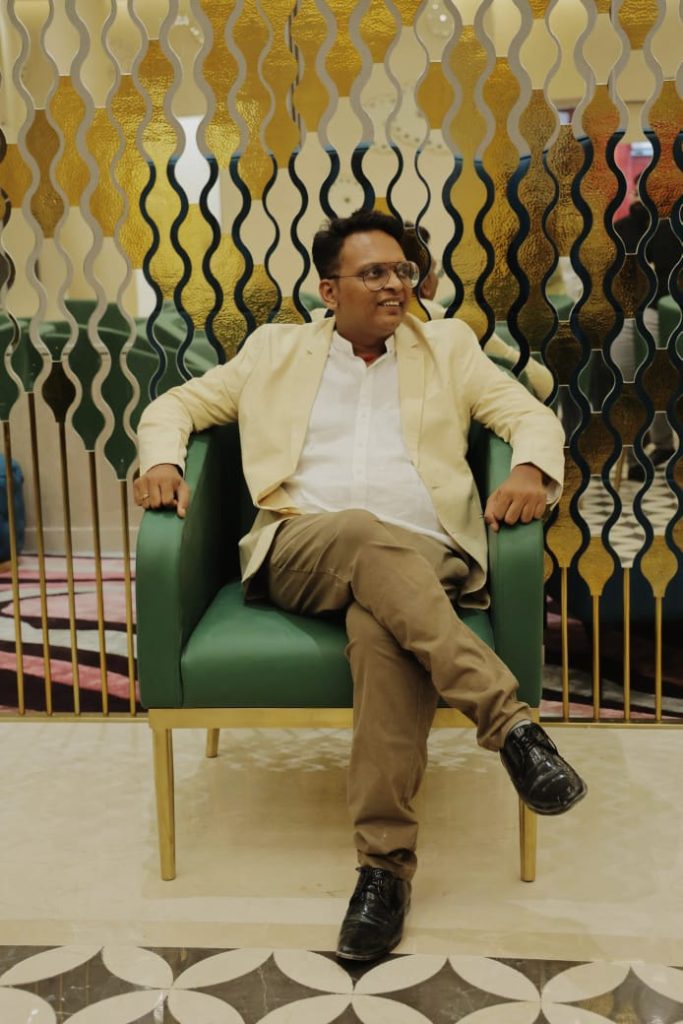
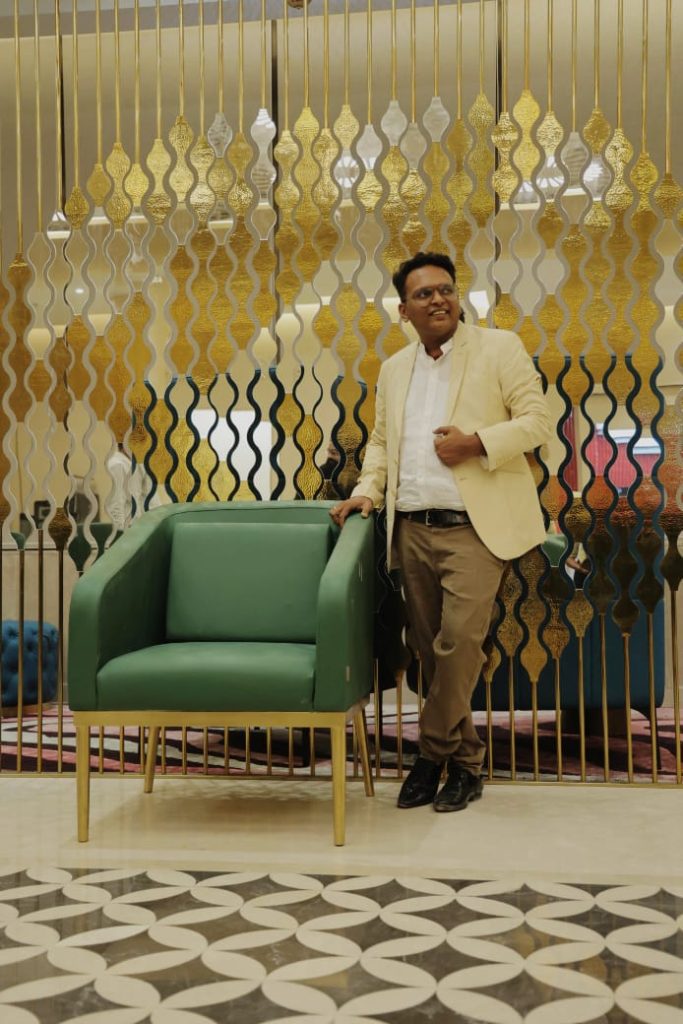
Today, at 37, Fenil leads a well-established interior and civil contracting firm with an annual turnover of approximately ₹5 crore. The company undertakes residential, commercial, and institutional projects, offering services such as interior finishing, ceilings, furniture execution, painting, waterproofing, flooring, tiling, epoxy grouting, and complete turnkey project delivery. Fenil intentionally positioned the firm as execution-centric, ensuring that design intent is implemented accurately, responsibly, and within committed timelines.
A defining strength of Fenil’s business model is its focus on accountability. One of the most common challenges in construction projects is the lack of clarity between planning and execution, which often leads to delays, cost escalations, and compromised quality. Fenil addressed this gap by adopting a single-point responsibility approach supported by clear communication and disciplined supervision. This structure reduces ambiguity, streamlines coordination, and improves overall project outcomes.
The firm’s growth has been largely organic, built on repeat business and referrals. Fenil believes that credibility in construction cannot be advertised—it must be earned through consistent performance. Each completed project adds to the firm’s reputation, reinforcing trust among clients and partners. This steady, relationship-driven growth has allowed the company to expand without sacrificing quality or ethical standards.
Fenil also views construction as an activity with broader social impact. His projects support skilled labourers, craftsmen, and local vendors, contributing to employment generation and skill development. By maintaining transparent practices and fair working conditions, he promotes a respectful and ethical work environment. Fenil believes that responsible execution reflects respect for people as much as it reflects respect for the project itself.
Leadership within Fenil’s organisation is characterised by active involvement and approachability. He remains closely connected to site operations, regularly reviewing progress, quality, and safety standards. This hands-on presence enables faster decision-making and reinforces accountability across teams. Fenil’s emphasis remains on durability and performance rather than surface-level aesthetics, ensuring that projects continue to perform reliably over time.
Like most first-generation entrepreneurs, Fenil’s journey was marked by challenges. Financial pressures, delayed payments, manpower management, and the task of establishing credibility in a competitive market tested his patience and determination. Balancing personal responsibilities with professional demands required emotional discipline and long-term thinking. These experiences reinforced the importance of financial prudence, ethical conduct, and consistency.
Fenil’s professional values have been shaped by people he worked closely with rather than distant industry icons. Mentors such as Manoj Sir, Bhrugesh Sir, and Himanshu Sir influenced his understanding of execution discipline, leadership, and problem-solving under pressure. His uncle, a civil contractor, also played an important role in instilling values of honesty, dedication, and commitment to quality.
Looking ahead, Fenil aims to strengthen his firm’s execution capabilities by adopting modern construction techniques, improving project management systems, and expanding into larger civil works. Growth will remain measured and aligned with quality, ethics, and accountability. Fenil believes that scaling should enhance reliability, not compromise it.
Fenil Kamleshbhai Kothari’s journey reflects a realistic and grounded approach to entrepreneurship—one where reliability is built through disciplined execution and consistent leadership. Through steady growth, ethical practices, and an unwavering focus on delivery, he continues to build not just projects, but long-term trust within the interior and civil contracting industry.