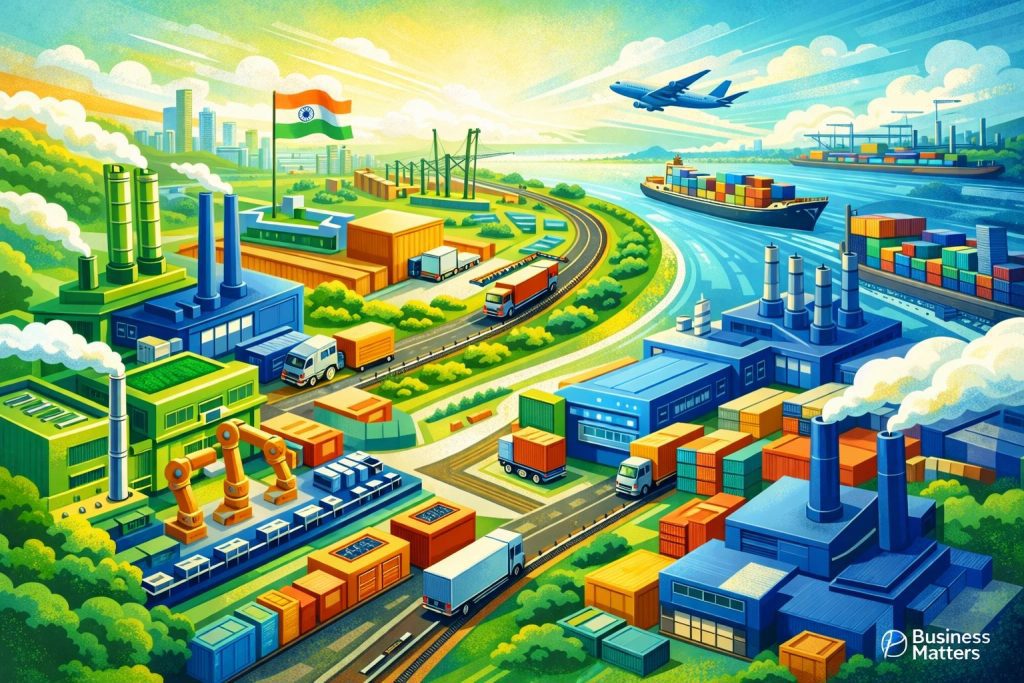
The PLI Scheme for SME Expansion helps Indian small and medium enterprises grow manufacturing output by rewarding real production and sales growth. Instead of upfront subsidies, the scheme links incentives directly to performance, making it especially relevant for SMEs planning capacity expansion, supply-chain integration, or export-ready manufacturing in India.
What Is the PLI Scheme for SME Expansion?
The Production Linked Incentive (PLI) scheme is a government framework that offers financial incentives based on incremental production over a base year.
For SMEs, this means:
- Incentives are earned only after growth happens
- Focus shifts from survival to structured scale
- Manufacturing efficiency becomes a competitive advantage
Unlike grant-based schemes, PLI rewards execution, consistency, and output discipline.
Why the PLI Scheme Matters for SMEs in India
Many SMEs struggle to expand beyond a certain size due to:
- Capital constraints
- Import competition
- Thin operating margins
- Limited supply-chain access
The PLI scheme addresses these challenges by encouraging:
- Domestic manufacturing scale
- Integration into larger production ecosystems
- Long-term competitiveness rather than short-term relief
For SMEs, PLI is not support for starting up—it is support for stepping up.
How the PLI Scheme for SME Expansion Works (Simple Explanation)
Core Operating Model
- A base year production level is defined
- The SME increases output or sales beyond this base
- Incremental growth is verified
- Incentives are paid as a percentage of additional sales
Key point:
👉 No growth = no incentive
This structure ensures public funds reward measurable economic activity.
Which SMEs Are Best Suited for the PLI Scheme?
The PLI framework works best for SMEs that:
- Already manufacture at a commercial scale
- Can realistically increase output year-on-year
- Maintain quality and compliance standards
High-Potential SME Segments
- Electronics and components
- Auto and engineering components
- Textiles and technical fabrics
- Food processing
- Specialty manufacturing
Pure trading businesses benefit only indirectly, through supply-chain participation.
PLI Scheme vs Traditional SME Subsidies
| Aspect | Traditional Subsidies | PLI Scheme |
|---|---|---|
| Timing | Upfront | Post-performance |
| Focus | Setup support | Output growth |
| Risk | High misuse potential | Low misuse |
| SME Impact | Short-term relief | Long-term scale |
This shift makes PLI more demanding—but also more meaningful.
How SMEs Should Approach Expansion Under the PLI Scheme
PLI should be viewed as an acceleration layer, not the starting engine.
Many SMEs enter PLI after years of:
- Self-funded growth
- Tight cost control
- Incremental capacity building
This transition is often seen among businesses following bootstrap funding in Tier-3 cities, where expansion decisions are data-driven and cautious rather than speculative.
Common Misconceptions About the PLI Scheme
- PLI is free money → ❌
- Registration guarantees incentives → ❌
- Only large corporations qualify → ❌
- SMEs can join without operational maturity → ❌
Reality:
PLI rewards capacity, compliance, and consistency.
Challenges SMEs Face While Using the PLI Scheme
Despite its benefits, SMEs must plan for:
- Higher initial capital expenditure
- Detailed reporting and audits
- Longer incentive payout cycles
- Operational discipline
SMEs that underestimate preparation often drop out early.
How to Prepare Before Applying for the PLI Scheme
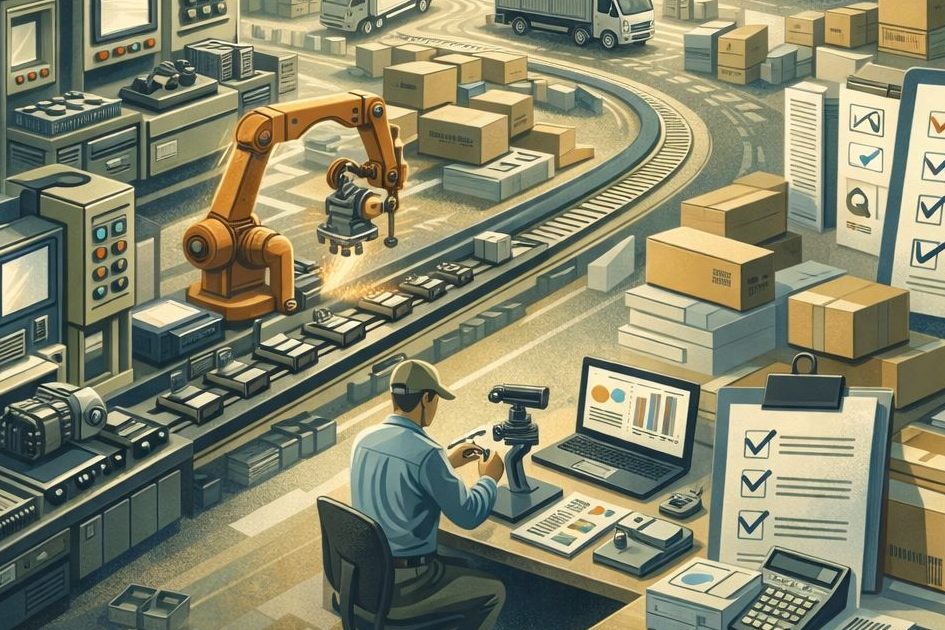
Practical SME Checklist
- Audit current production capacity
- Identify realistic expansion targets
- Strengthen quality and compliance systems
- Align accounting with reporting requirements
- Plan cash flow for delayed incentives
PLI success depends more on execution readiness than ambition.
Frequently Asked Questions (AEO Optimised)
What is the PLI Scheme for SME Expansion?
The PLI Scheme for SME Expansion is a government incentive program that rewards small and medium enterprises for increasing manufacturing output and sales beyond a defined base year.
Can SMEs apply directly for the PLI scheme?
Yes. SMEs can apply directly in eligible sectors or benefit indirectly by becoming suppliers to PLI-approved manufacturers.
Does the PLI scheme offer upfront subsidies?
No. Incentives are paid only after verified incremental production and sales are achieved.
Is the PLI scheme suitable for Tier-2 and Tier-3 SMEs?
Yes, provided the SME has operational stability, quality controls, and the ability to scale production.
Key Takeaways
- PLI rewards real manufacturing growth
- SMEs must be operationally prepared
- Incentives are performance-linked, not guaranteed
- Long-term competitiveness is the objective
- Discipline matters more than scale alone
Actionable Next Steps for SME Owners
- Evaluate whether your business can scale output
- Identify relevant PLI sectors
- Strengthen compliance and reporting early
- Plan capital expenditure carefully
- Seek professional guidance before applying
Conclusion
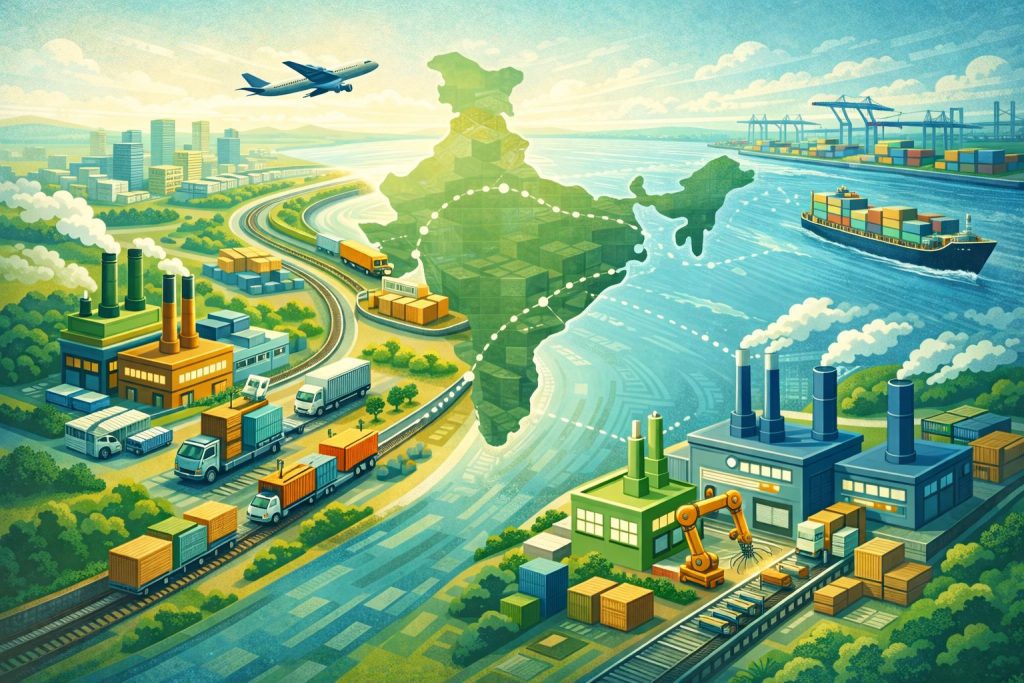
The PLI Scheme for SME Expansion marks a shift from short-term support to performance-led industrial growth in India. For SMEs ready to scale manufacturing responsibly, the scheme offers a structured pathway to competitiveness, supply-chain integration, and long-term sustainability. Those who treat PLI as a strategic expansion tool—not a subsidy—stand to gain the most.