
In today’s rapidly changing entrepreneurial landscape, early-stage startups face intense competition, evolving technology, and limited access to resources. This is why startup incubation has become more important than ever in 2025.
If you’re wondering what is incubation in startups, it refers to a structured support system that helps early-stage ventures grow by providing mentorship, funding assistance, workspace, networking opportunities, and essential business services.
Recent findings from the Startup Genome Report 2025 show that startups associated with incubators or accelerators enjoy a 34% higher survival rate and reach product-market fit 28% faster than non-incubated ventures. This demonstrates the increasing importance of incubation programs in the evolving global startup ecosystem.
This comprehensive 2025 guide breaks down what incubation is, how it works, its benefits, types of incubators, top examples, and how startups can choose the right incubation program for long-term success.
Introduction to Startup Incubation
Launching a startup in 2025 comes with new complexities—AI-driven competition, global market shifts, and funding challenges. Many founders still fail due to lack of guidance, capital, or market readiness.
Startup incubation acts as a strategic support system, providing early-stage ventures with critical resources such as mentorship, technical tools, networking platforms, and funding assistance.
Startups in 2025 need incubation because:
- The global market evolves faster than before
- AI, automation, and data skills are essential
- Investors prefer structured and mentored startups
- Founders require clarity on business models and scaling
With incubation, startups gain a safe environment to validate, build, and scale sustainably.
2. What Is Incubation in Startups?
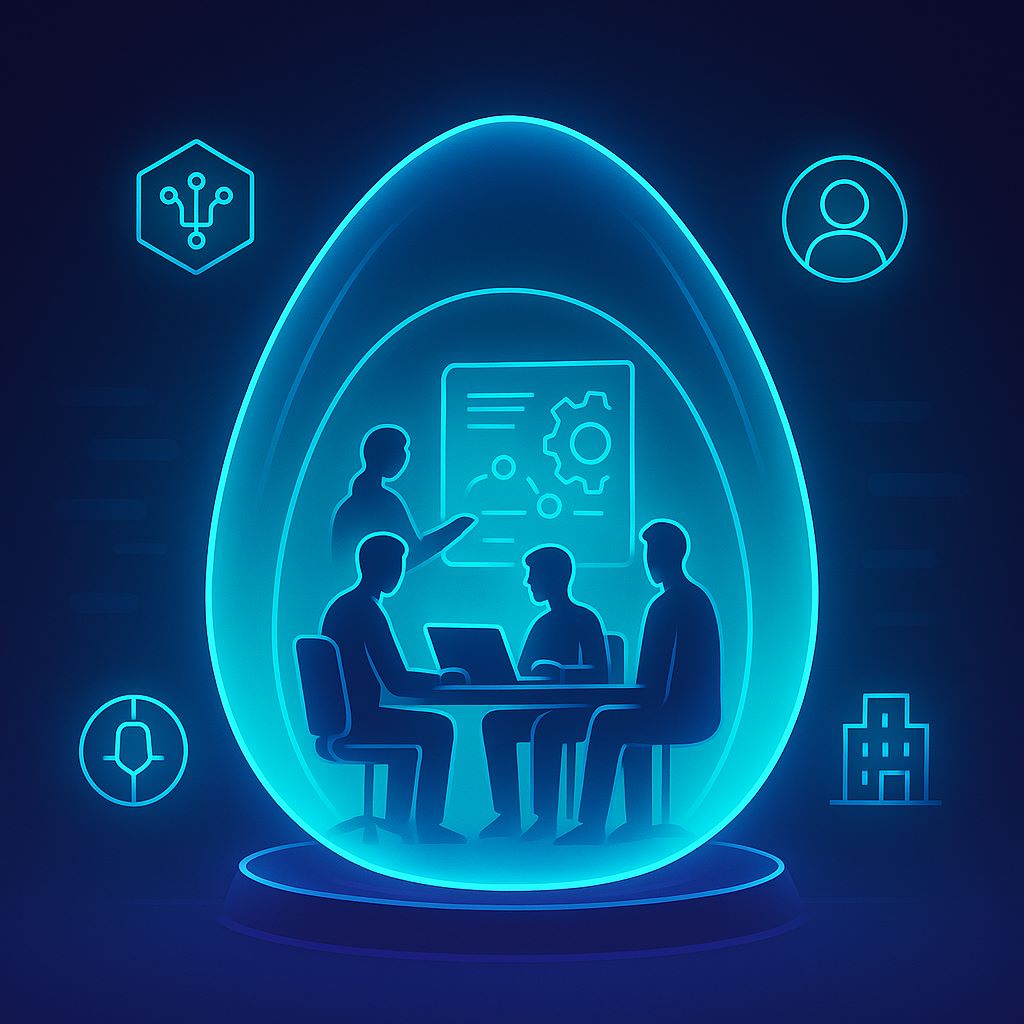
Startup incubation is the process where early-stage businesses receive structured support from an incubator—an organization that provides mentorship, workspace, training, funding access, and business services.
In 2025, incubation programs increasingly include:
- AI-powered business insights
- Cloud credits and digital workspace tools
- Automation and productivity software
- Virtual mentoring and global resource access
Incubation helps founders “hatch” their ideas into scalable, sustainable businesses.
3. How Startup Incubators Work in 2025
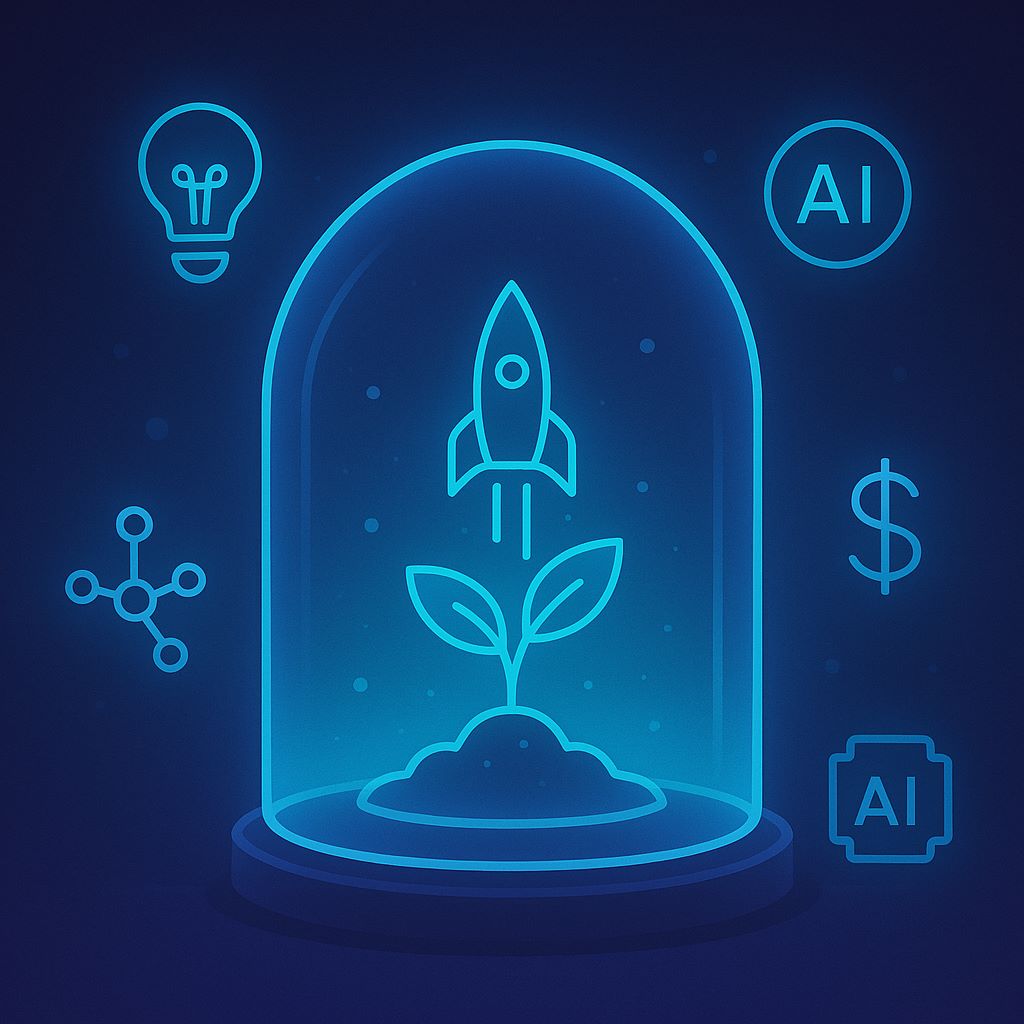
Startup incubators have evolved with hybrid and digital-first models.
2025 Incubation Process
- Digital Application Submission
- AI-Based Evaluation for Market Potential
- Founder Onboarding & Resource Allocation
- Mentorship, AI Tools, Workshops, & Training
- Funding Support: Investors, VCs, Govt. Programs
- Networking via Virtual Ecosystem Platforms
- Demo Day or Graduation
Many incubators now provide global remote incubation, connecting startups to international mentors and investors—no relocation required.
4. Key Services Provided by Incubators in 2025
a) Mentorship & AI-Assisted Guidance
Mentors provide strategic insights while AI tools analyze markets and customer data.
b) Funding Support
- Seed funding
- Connections to angel investors and VCs
- Government grants
Internal link: government funding for startups
c) Workspace & Digital Infrastructure
Many incubators now offer:
- Hybrid coworking spaces
- Virtual offices
- Cloud credits (AWS, GCP, Azure)
d) Networking Ecosystem
Startups connect with:
- Global founders
- Investors
- Industry experts
- Corporate partners
e) Business Services
- Legal compliance
- Branding & marketing
- Accounting
- AI-powered research
f) Technical Assistance
Incubators increasingly support:
- AI development
- IoT prototyping
- Automation tools
- Software development environments
5. Types of Startup Incubators
a) University-Based Incubators
Increasingly AI- and research-driven.
b) Corporate Incubators
Rapid growth due to industry-focused innovation.
c) Government-Funded Incubators
More global support through digital entrepreneurship missions.
d) Private & Equity-Based Incubators
Offer premium mentorship and infrastructure.
e) Virtual-Only Incubators
A major trend in 2025—cost-effective and borderless.
6. Startup Incubators vs Accelerators
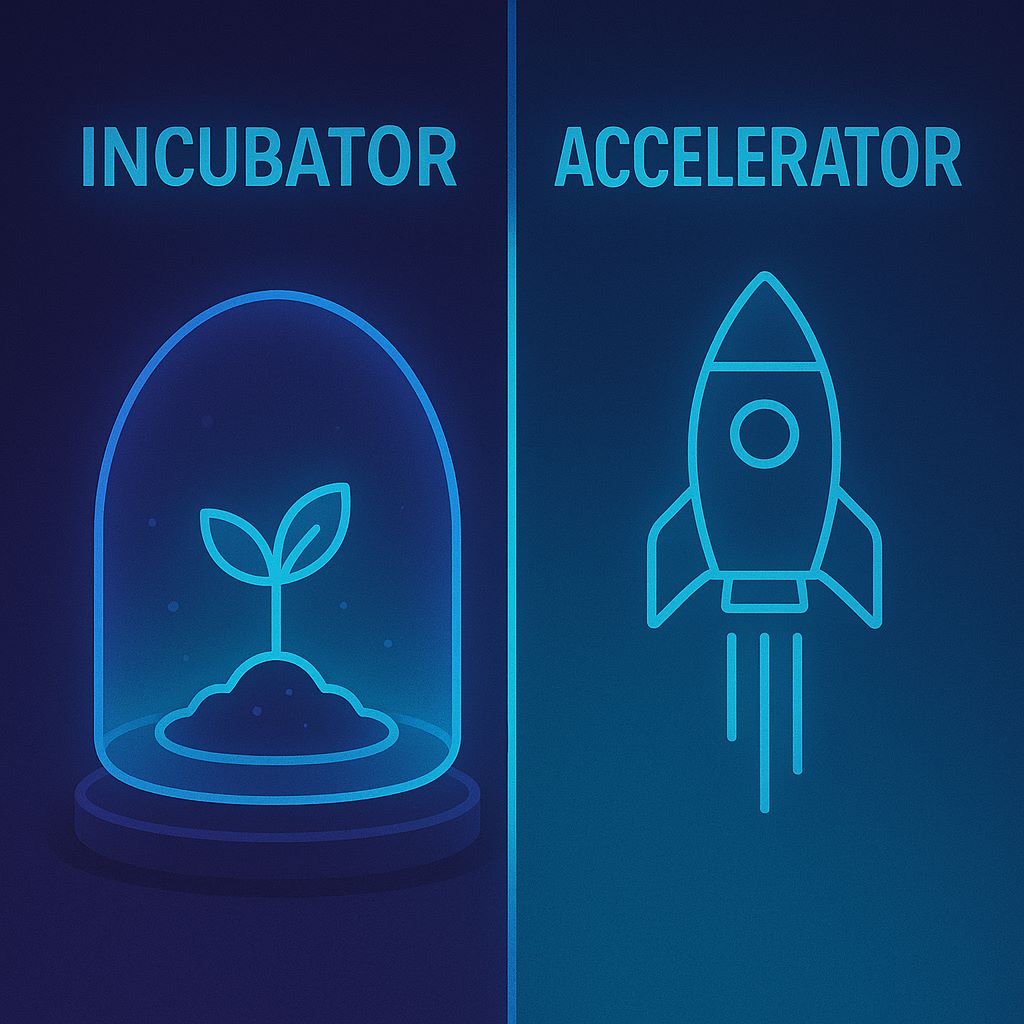
| Feature | Incubator | Accelerator |
|---|---|---|
| Duration | 6 months – 3 years | 8–16 weeks |
| Stage | Idea → Early stage | Growth → Scaling stage |
| Support | Foundation building | Rapid scaling |
| Funding | Optional | Usually equity-based |
| Focus | Long-term development | Speed + traction |
7. Benefits of Startup Incubation in 2025
- Faster market validation
- AI-driven insights for decision-making
- Higher survival rate
- Reduced early-stage costs
- Access to investors
- Skill development & upskilling
- Increased startup credibility
8. Challenges of Startup Incubation in 2025
- Competitive selection
- Equity dilution in private incubators
- Over-reliance on incubator support
- Limited resources in shared environments
9. Real-Life Examples of Startup Incubation Success
Airbnb – Scaled globally after Y Combinator incubation
Dropbox – Received critical early-stage mentorship
OYO Rooms – Benefited greatly from India’s incubation ecosystem
Zomato – Early incubation support strengthened operations
10. How to Choose the Right Startup Incubator in 2025
Evaluate an incubator based on:
- Industry specialization
- Mentor expertise & AI tools
- Funding opportunities
- Workspace (hybrid/virtual)
- Program structure
- Success stories
- Global exposure
Selecting the right incubator dramatically increases startup growth potential.
11. The Future of Startup Incubation (2025–2030)
Key trends:
- AI-first incubation models
- Corporate-startup deep tech collaborations
- Remote global incubation
- Sector-specific incubators (AI, robotics, climate tech, biotech)
- Blockchain for transparent funding and equity management
12. Conclusion
Startup incubation in 2025 is more advanced, connected, and resource-rich than ever. It empowers entrepreneurs with mentorship, workspace, funding support, and AI-driven tools to accelerate success.
Understanding what incubation is in startups helps founders make informed decisions, select the right incubators, and build stronger, scalable businesses. With the right incubator, your startup can reduce risk, validate faster, and create long-term impact in a competitive global market.